
Is Fleet Management Software Worth It?
.webp)
As a fleet manager, one minute you're juggling repair schedules, the next you’re chasing down maintenance records or trying to figure out why fuel costs are through the roof. In the heavy-duty world, time is money, and unplanned downtime can put a serious dent in your bottom line.
So, the question is: is investing in fleet management software really worth it? Let’s find out.
What Is Fleet Management Software?
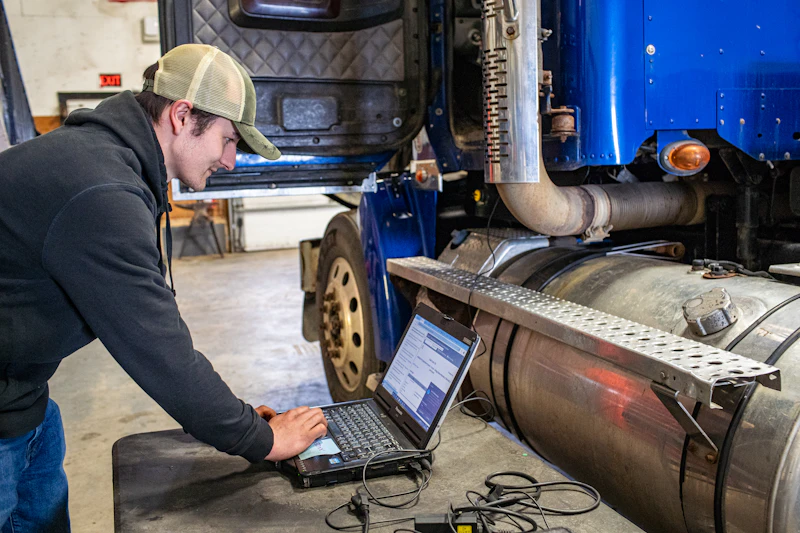
At its core, fleet management software is a digital platform that helps you monitor, maintain, and optimize your vehicles and equipment. It centralizes everything from vehicle diagnostics and preventive maintenance alerts to GPS tracking and fuel usage.
Think of it as your virtual shop assistant that never forgets a deadline, never misplaces paperwork, never clocks out early, and makes managing fleets of all sizes a breeze.
Benefits of Fleet Management Software for Heavy-Duty Operations
1. Preventive Maintenance Becomes Predictable
Gone are the days of relying on memory (or worse, sticky notes) for oil changes and brake inspections. With fleet software, you get automatic reminders for scheduled maintenance, inspection dates, and service intervals. You can set alerts based on mileage, hours of operation, or calendar dates.
This proactive approach helps prevent costly repairs by catching problems before they escalate, a game-changer for diesel engines, where a neglected DPF system can result in fines of over $45,000 from the EPA.
2. Real-Time Tracking and Telematics
Need to know where truck #17 is at 3:42 PM? With GPS tracking and telematics integration, you’ll have real-time data on vehicle locations, idle times, route efficiency, and driver behavior.
This isn’t just about “keeping tabs” either. It allows for better route planning, faster dispatching, and lower fuel costs, all while reducing wear and tear.
3. Fuel Efficiency Optimization
Fleet software tracks how much fuel each truck is burning and under what conditions. You’ll start spotting trends, like which routes eat more fuel, which drivers idle too long, or which units might need ECM tuning for better efficiency.
That’s crucial in a city like Chicago, where traffic patterns, cold weather, and stop-and-go delivery routes can wreak havoc on fuel economy.
4. DOT Compliance and Inspections Made Simple
DOT paperwork is, unfortunately, a key part of the trucking industry. A solid fleet management system will consolidate all inspection reports, service logs, and compliance checklists in one place. When an audit rolls around, you're not sifting through filing cabinets or chasing drivers down for logs.
No more scrambling. Everything’s logged, time-stamped, and ready to roll.
5. Improved Driver Safety and Accountability
With software tracking driver speed, hard braking, acceleration patterns, and rest hours, you can start identifying risky behavior early. That means fewer accidents, fewer citations, and lower insurance premiums.
Some platforms even gamify the experience, rewarding drivers for good habits. That’s a win-win.
Potential Drawbacks to Consider
1. Initial Cost and Learning Curve
Fleet management platforms aren’t cheap. There’s the upfront investment, monthly subscriptions, and training time. For small outfits, that can feel like a stretch.
However, weigh that against the cost of a single transmission failure due to a missed fluid check, or an accident caused by poor record-keeping. It often pays for itself.
2. Data Overload
Some systems spit out so much data that it feels like drinking from a fire hose. The key is to customize your dashboard and focus on the metrics that matter to your operation, whether that's driveline wear, brake system health, or preventive maintenance alerts.
3. Tech Compatibility Issues
If you're running older trucks, some features—like real-time engine diagnostics or ECM integration—might be limited without aftermarket sensors or dongles. Not a deal-breaker, but something to consider when budgeting.
Choosing the Right Platform for Your Fleet
Before you sign on the dotted line, ask yourself:
- Does the software integrate with your existing GPS or maintenance tools?
- Can it track both diesel and gas-powered vehicles?
- Is there mobile access for technicians in the field?
- What’s the customer support like?
- Are updates and patches included?
There’s no one-size-fits-all answer here. But the good news? Most providers offer free trials; use them!
The Chicago Angle: Why Local Fleets Should Pay Attention
Operating in Chicago means navigating everything from brutal winters to congested highways. Fleet software helps you schedule pre-winter inspections, monitor suspension wear from potholes, and even track delays from construction detours.
Plus, with emissions regulations tightening, staying on top of after-treatment systems like your SCR and DPF is more important than ever.
Final Verdict: Yes, It’s Worth It—If You Use It Right
Fleet management software is absolutely worth it for most operations—especially those running five or more heavy-duty units. But like any tool, its value comes from how you use it. Treat it like a partner, not just a purchase.
Stay consistent. Keep your data clean. And don’t be afraid to evolve your processes around it.
Looking to tighten up your fleet’s operations in Chicago? Don’t wait until downtime forces your hand. Start researching your software options today—and take control of your fleet before it controls you.
Similar posts
%20(1).webp)
7 Ways to Prevent Cummins Engine Problems in Chicago, IL
Keep your Cummins engine running strong with seven practical maintenance strategies designed for Chicago fleets. Learn how to prevent costly breakdowns, improve reliability, and reduce downtime while operating on busy freight corridors throughout the greater Chicago area.
SCR System Failures: Why Your Fleet Trucks May Lose Power
Fleet trucks' power loss can result from issues such as SCR system failures, affecting scheduling, route completion, driver productivity, fuel efficiency, and customer commitments. SCR uses DEF to reduce nitrogen oxides; failures can trigger warnings.