
SCR System Failures: Why Your Fleet Trucks May Lose Power
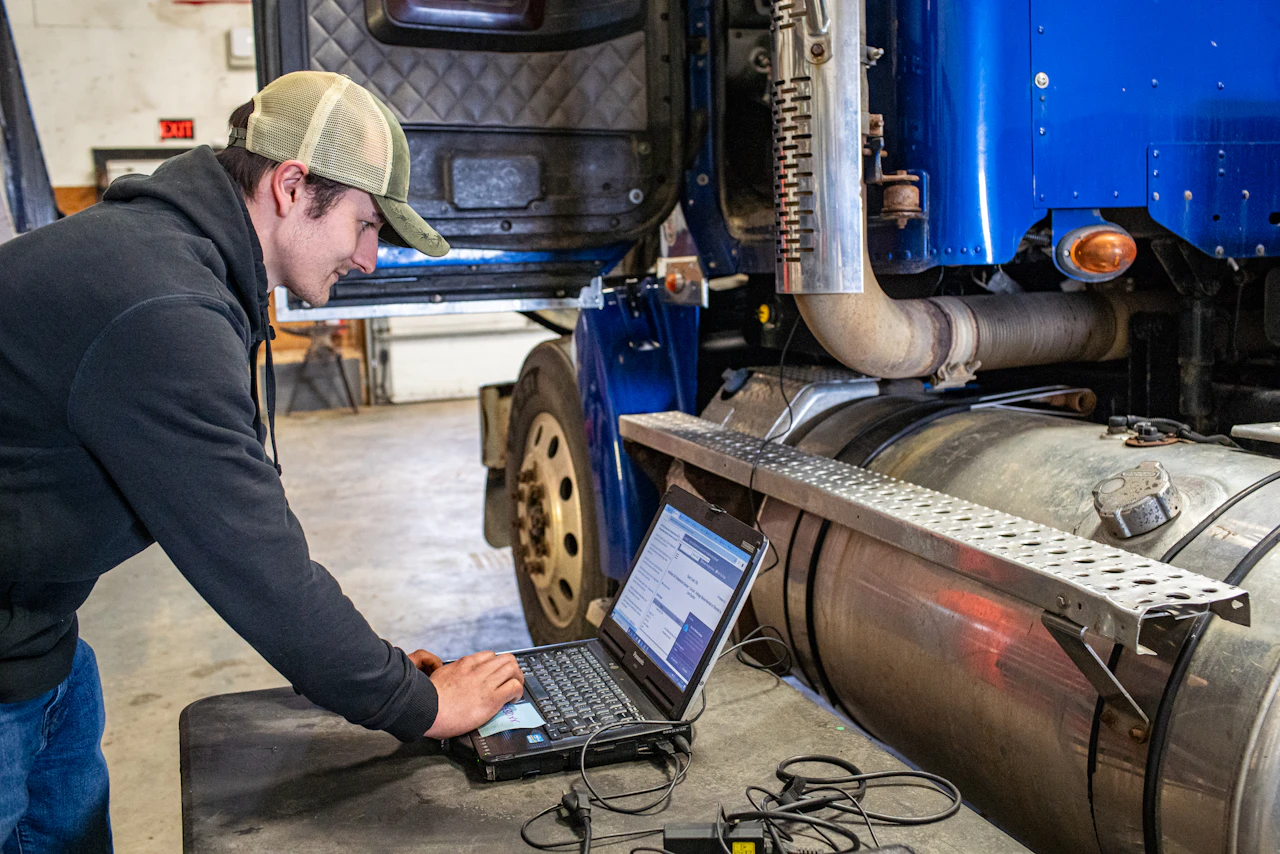
Fleet trucks' power loss can stem from various issues, especially SCR system failures that require urgent repair. When trucks derate, limit torque, or can't accelerate, it disrupts scheduling and affects route completion, driver productivity, fuel efficiency, and customer commitments.
SCR reduces nitrogen oxides using Diesel Exhaust Fluid (DEF). Failures in DEF quality, sensors, or SCR efficiency can trigger warnings and performance issues. In Chicago, SCR repairs focus on restoring engine power and preventing future problems.
How The SCR System Supports Diesel Emissions Control
The SCR system operates after combustion, with exhaust gases passing through the aftertreatment system to reduce pollutants before exiting the system. In SCR-equipped diesels, DEF is injected into the exhaust ahead of the SCR catalyst. DEF, a 32.5% urea solution in pure water, must meet purity standards for proper operation.
As exhaust heat breaks down DEF, it helps convert nitrogen oxides into nitrogen and water vapor. This reaction is essential for modern diesel aftertreatment, as heavy-duty diesel engines must control NOx emissions while providing torque and durability. SCR is a key technology for reducing NOx in heavy-duty diesel vehicles, often including:
- DEF tank
- DEF pump
- Heated DEF lines
- DEF dosing valve or injector
- SCR catalyst
- Upstream and downstream NOx sensors
- Temperature sensors
- DEF quality monitoring
- Wiring, connectors, and control-module inputs
Because these parts rely on accurate communication, a failure in one can compromise the whole system's emissions performance.
Why SCR Failures Cause Fleet Truck Power Loss
SCR-related power loss occurs when the engine control system reduces torque or speed to meet emissions standards. Severe SCR or DEF faults, caused by low DEF, incorrect fluid, or SCR issues, trigger this derate, a penalty imposed by the engine control module.
For Chicago fleets, this can cause difficulty accelerating, maintaining speed, or completing routes. Power loss increases idle time, disrupts dispatch, and forces load shifts, even if the route is drivable. Common symptoms include:
- Reduced acceleration
- Limited road speed
- Check engine lights
- Emissions warning messages
- Frequent derate alerts
- Unusual DEF consumption
- Poor fuel economy
- Failed or interrupted regeneration events
- Ammonia-like exhaust odors
- Repeated aftertreatment fault codes
These symptoms are early warnings of preventable repairs that could cause downtime, not just annoyances.
Common SCR System Failure Points
DEF Quality And Contamination Problems
DEF quality impacts SCR performance. Contamination from poor storage, dirty equipment, open containers, mixed fluids, or aging DEF can damage parts, clog filters, disrupt dosing, and cause deposits, leading to warnings and derates. Store DEF in sealed containers with clean tools from trusted suppliers.
Low DEF Levels Or Incorrect Fluid
Low DEF causes SCR warnings due to insufficient DEF for NOx reduction. Empty or incorrect tanks trigger warnings and power limits. The EPA links DEF problems to reduced performance as SCR degrades. Fleets should regularly check DEF levels, and drivers must report warnings. Maintenance should verify fluid level and quality before clearing codes.
Failed NOx Sensors
NOx sensors monitor nitrogen oxide levels both upstream and downstream of the SCR catalyst to ensure effective emissions reduction. Failures can cause false readings, delayed diagnoses, or unnecessary derates. Faults require thorough testing—replacing sensors without checking wiring, exhaust leaks, DEF dosing, and catalyst performance provides only temporary relief.
DEF Dosing Valve Or Injector Issues
The DEF dosing valve meters DEF into the exhaust; if it clogs or leaks, SCR performance drops. Too little DEF results in high NOx, while too much causes deposits. White deposits near the dosing area can indicate leakage or crystallization. Inspect the valve, lines, fittings, electrical connections, and spray pattern.
SCR Catalyst Efficiency Problems
The SCR catalyst needs to stay clean, active, and properly heated to function. Contamination from soot, coolant, oil, or thermal damage can reduce efficiency and cause faults, even if DEF and sensors seem normal. Because SCR catalysts are expensive, thorough diagnostics should be performed before replacement, including verifying upstream conditions, DEF quality, sensor data, exhaust temperatures, and aftertreatment faults.
How DPF And Exhaust Problems Affect SCR Performance
SCR failures often link to aftertreatment issues like DPF problems, which affect exhaust flow and temperature, impacting SCR performance. Incomplete DPF regeneration or regeneration restriction can reduce engine efficiency, impair turbo performance, and cause SCR faults. Causes include soot buildup, sensor errors, or restrictions.
Exhaust leaks matter. A leak upstream of the SCR catalyst can alter sensor readings and temperature data. Damaged clamps, cracked flex pipes, failed gaskets, or loose hardware can give inaccurate feedback and lower system efficiency. Diesel exhaust repair in Chicago should include electronic diagnostics and a physical exhaust hardware inspection.
Why Chicago Fleet Conditions Increase SCR Stress
Chicago fleets struggle with aftertreatment systems, especially on urban routes with frequent stops, cold starts, idling, short trips, and varying loads. SCR systems depend on exhaust temperature, making low-temperature operation challenging.
Cold weather can freeze DEF, requiring heated tanks and lines. Faults may result from weak heaters, wiring, poor connections, or sensors, even in cold climates. Fleet managers should monitor trucks on short city routes, as they might not reach ideal temperatures, increasing soot buildup and aftertreatment issues.
A Practical Diagnostic Process For Fleet SCR Problems
Effective heavy-duty truck diagnostics start with fault-code retrieval, but do not end there. Codes give direction, not full answers. A complete SCR diagnostic process may include:
- Checking active, inactive, and pending fault codes
- Verifying DEF level and quality
- Inspecting DEF tanks, lines, heaters, and fittings
- Testing the DEF pump and dosing valve
- Reviewing NOx sensor data
- Inspecting wiring harnesses and connectors
- Checking exhaust temperature readings
- Inspecting for exhaust leaks
- Reviewing regeneration history
- Measuring exhaust restriction as needed
- Confirming SCR catalyst efficiency
This process prevents unnecessary parts replacement and enhances fleet maintenance by identifying recurring patterns in vehicles with similar mileage, routes, engine platforms, or duty cycles.
Preventive Maintenance Steps To Reduce SCR Downtime
Fleet operators can reduce SCR power loss by incorporating aftertreatment checks into routine maintenance. Regular inspections catch issues before trucks derate during routes. Recommended practices include:
- Use clean, ISO-compliant DEF from reliable sources.
- Keep DEF containers sealed and free of dust or debris.
- Train drivers to report emissions warnings immediately.
- Inspect exhaust clamps, pipes, flex sections, and hangers.
- Track DEF usage by vehicle.
- Investigate repeated regeneration requests while parked.
- Review aftertreatment codes during scheduled service.
- Inspect wiring and connectors after winter operation.
- Avoid unnecessary idling where possible.
- Address coolant, oil, or fuel contamination concerns promptly.
These steps support emissions compliance and protect route reliability. They also give fleet managers better visibility into emerging problems, instead of waiting for a power-loss event to trigger emergency repairs.
When To Schedule SCR System Repair In Chicago
Inspect trucks immediately after SCR warnings, especially if drivers report reduced power, speed limits, or repeated DEF messages. Delaying repairs can increase costs and disrupt commitments. Bus & Truck of Chicago serves fleet needs, ensuring timely SCR repairs for DEF issues, sensor failures, leaks, and more to keep vehicles productive and compliant.
Conclusion
SCR system failures can reduce power, cause derates, and disrupt schedules. Causes include DEF quality, low DEF levels, incorrect fluid, failed NOx sensors, dosing valve faults, catalyst problems, leaks, DPF restrictions, or wiring issues. Structured diagnostics reliably identify root causes and prevent failures.
For Chicago fleets, treat SCR maintenance as part of uptime management. Prompt service when warning lights, DEF messages, or power loss appear helps protect routes, drivers, and the budget. Contact Bus & Truck of Chicago in Chicago, IL, to schedule SCR and diesel exhaust diagnostics.
Similar posts
%20(1).webp)
7 Ways to Prevent Cummins Engine Problems in Chicago, IL
Keep your Cummins engine running strong with seven practical maintenance strategies designed for Chicago fleets. Learn how to prevent costly breakdowns, improve reliability, and reduce downtime while operating on busy freight corridors throughout the greater Chicago area.
%20(1).webp)
Preventive Maintenance Tips for EGR and DPF Systems in Chicago, IL
Modern diesel emissions systems demand consistent care to stay reliable. This guide breaks down EGR and DPF maintenance, common warning signs, and how preventive servicing reduces downtime, improves performance, and keeps your truck operating efficiently in demanding conditions.