
Use October Bus Maintenance to Catch Cold-Weather Problems Before the First Snow
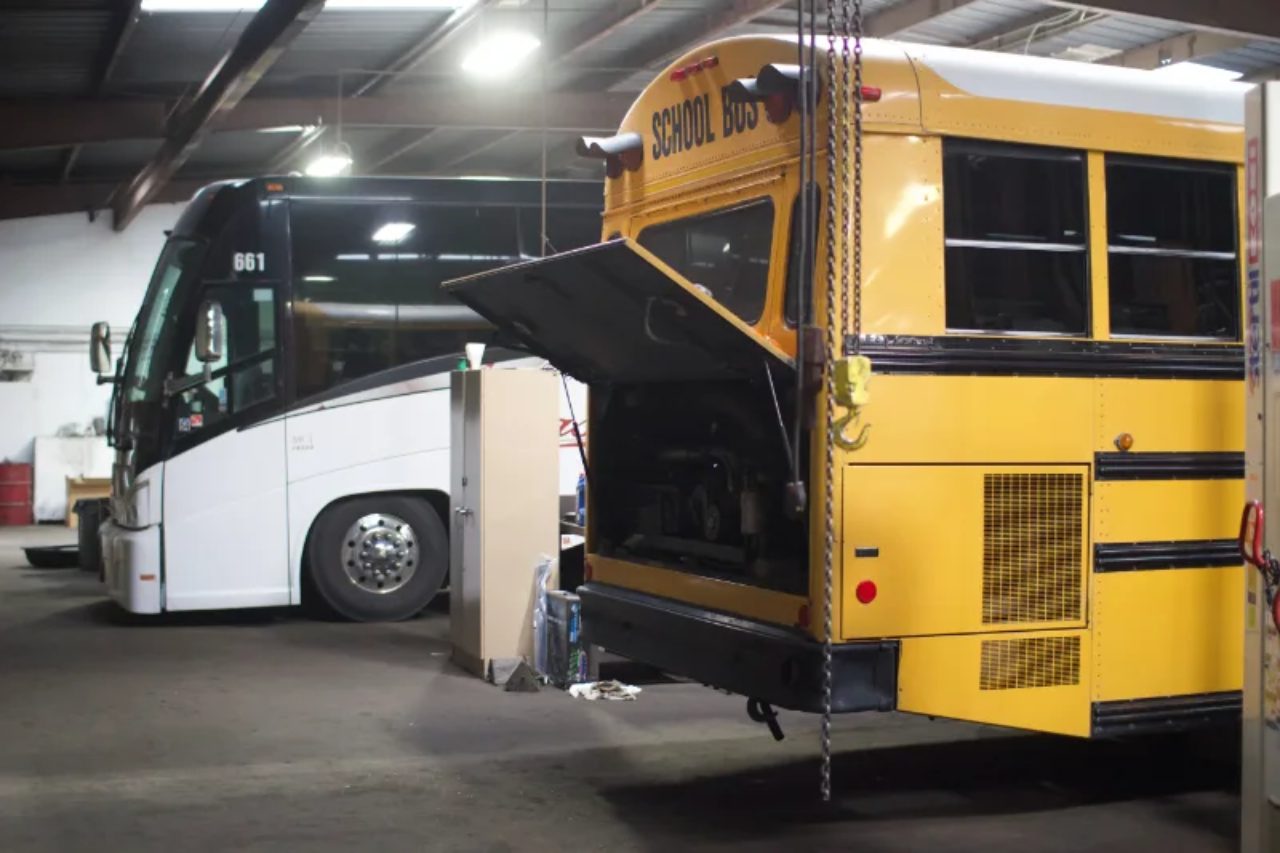
A bus can run perfectly well on a mild October afternoon and refuse to cooperate the first morning temperatures drop below freezing. Weak batteries, sluggish doors, marginal heaters, and moisture in air systems often stay hidden until Chicago weather puts them under real pressure.
That makes October bus preventive maintenance a valuable opportunity to find ordinary defects before cold weather turns them into route disruptions. Chicago’s normal first freeze at O’Hare arrives around October 19, while measurable snowfall has historically occurred during October, giving fleets good reason to prepare early.
Why Is October the Right Time for Chicago Bus Fleet Maintenance?
October sits in the sweet spot between summer operating conditions and sustained winter weather. Your technicians still have time to inspect, test, and repair weak systems without waiting for the first bitter morning to identify them.
Chicago buses also face conditions that can amplify small maintenance problems: high-stop urban operation, long idle periods, repeated door cycles, wet pavement, heavy electrical loads, and frequent HVAC use. Once temperatures drop and road spray or salt enter the picture, those small defects become much harder to ignore.
A focused cold-weather bus inspection should prioritize systems that change behaviour as temperatures fall.
How Should You Check Bus Heating and Defrost Systems Before Winter?
Heating and defrost deserve the most attention during fall bus maintenance because both depend on several systems working together. Poor cabin heat creates passenger discomfort, while weak windshield defrost can directly affect driver visibility.
Start by checking heater output at operating temperature. A bus that produces lukewarm air may have low coolant, restricted coolant flow, a weak heater core, a malfunctioning control valve, or an actuator that is not directing air properly.
Then test every blower speed and confirm that airflow reaches the windshield where it is supposed to. Damaged ducting, stuck blend doors, failed actuators, or weak blower motors can leave parts of the windshield fogged even when the engine is fully warmed up.
Your technicians should inspect:
- Coolant level and condition
- Engine operating temperature
- Heater-core performance
- Heater control valves
- Blower motors and fan speeds
- Defrost ducting and vents
- Temperature-door and airflow actuators
- Windshield defrost performance
A bus that cannot clear condensation during a chilly October rain is unlikely to improve when freezing temperatures arrive.
Why Do Batteries and Starting Systems Need Attention Before the First Freeze?
Cold temperatures expose marginal batteries fast. At the same time, buses place substantial electrical demand on batteries and charging systems because of frequent starts, lighting, HVAC blowers, accessibility equipment, doors, communication equipment, and long periods at idle.
A proper bus battery load test can identify batteries that still appear functional but lack enough reserve capacity for reliable cold starts. Technicians should also inspect terminals, cables, grounds, starter operation, and alternator output.
Do not focus on the battery alone. Corroded terminals or excessive resistance in a cable can create a starting complaint even when the battery tests reasonably well.
October is the time to correct slow cranking, intermittent starting, charging faults, and poor electrical connections. Waiting for a below-freezing morning usually means discovering the same problem when a bus is supposed to leave the yard.
How Can Air-System Maintenance Prevent Freezing Problems?
Compressed-air systems depend on effective moisture control. Air dryers remove moisture before compressed air reaches tanks and lines, helping reduce the risk of water accumulation and freezing.
During bus air brake maintenance, inspect the air dryer, tanks, lines, fittings, valves, and other pneumatic components for leakage or excessive moisture. Drain and inspect reservoirs according to the vehicle manufacturer’s maintenance procedures and investigate unusual water accumulation rather than treating it as normal.
Watch for:
- Slow air-pressure buildup
- Frequent compressor cycling
- Audible air leaks
- Excessive moisture in reservoirs
- Damaged air lines
- Dryer performance problems
- Valve or fitting leaks
These checks matter beyond braking. Depending on the bus, compressed air may also support suspension, entrance doors, or other accessories. A modest leak in October can become a much bigger operational problem once moisture and freezing temperatures enter the equation.
Why Should Bus Doors and Kneeling Systems Be Inspected in October?
Doors work hard in Chicago stop-and-go service. Transit-style buses, school buses, shuttles, employee transportation vehicles, and paratransit fleets may cycle their doors hundreds of times during a working day.
Inspect entrance and exit doors for smooth, repeatable operation. Check sensors, switches, interlocks, linkages, pneumatic components, electric actuators, weather seals, and adjustments.
For vehicles equipped with bus kneeling systems or wheelchair ramps, cycle the equipment repeatedly rather than testing it only once. Intermittent faults are easier to catch before cold moisture, ice, and contamination make movement more difficult.
A door that occasionally hesitates in October deserves attention. In January, that same hesitation can become a bus that cannot safely remain in service.
What Should You Inspect on Tires, Brakes, and Wheel Ends?
Wet leaves, colder pavement, early snow, and eventually road salt make tire and brake condition increasingly important through late fall.
Include bus tire inspection in your October maintenance routine. Check tread depth, inflation pressure, sidewall condition, irregular wear, and signs of alignment or suspension problems.
Brake inspections should include the friction components, drums or rotors as applicable, air-system operation, adjustment, hoses, chambers, and related hardware. Wheel ends should also be checked for leaking seals, abnormal bearing condition, heat-related damage, and looseness.
Do not overlook suspension components. Worn shocks, damaged air springs, deteriorated bushings, or other suspension defects can affect handling and tire wear when road conditions deteriorate.
Which Visibility Systems Should Be Checked Before Darker, Wetter Days?
Chicago does not need a snowstorm to create poor visibility. October already brings shorter daylight hours, rain, road spray, glare, and rapidly changing conditions.
Inspect bus wipers and washer systems before drivers depend on them every day. Replace streaking or hardened blades, verify washer operation, and use washer fluid appropriate for expected temperatures.
Technicians should also inspect:
- Headlights
- Brake lights
- Turn signals
- Marker and clearance lamps
- Mirrors
- Windshield condition
- Washer nozzles and hoses
- Exterior lenses and reflectors
Cracked windshields, dim lamps, poor wiper coverage, and malfunctioning washers may seem like minor defects during dry weather. Add darkness, wet pavement, road spray, and snow, and their effect becomes much more significant.
What Should Your October Bus Maintenance Checklist Prioritize?
Your exact inspection should follow the bus manufacturer’s procedures and your fleet’s maintenance program, but an October preventive maintenance checklist should give extra attention to winter-sensitive systems.
Prioritize these areas before freezing weather becomes routine:
- Test heating and windshield defrost performance.
- Load-test batteries and inspect starting and charging systems.
- Check compressed-air systems for leaks and moisture.
- Cycle doors, interlocks, ramps, and kneeling systems.
- Inspect tires, brakes, wheel ends, and suspension.
- Confirm wipers, washers, lights, mirrors, and windshield condition.
- Repair known defects instead of carrying them into winter.
The point is not to create an entirely separate maintenance program for October. It is to use normal preventive bus maintenance to look harder at the systems winter is most likely to expose.
Repair Cold-Weather Weak Points Before Chicago’s First Snow
Winter breakdowns often begin as ordinary maintenance problems. A weak battery becomes a no-start. A small air leak becomes a frozen-system complaint. Marginal defrost becomes a visibility problem, and an intermittent door issue becomes a missed route.
At Bus and Truck of Chicago, we help your fleet address those defects before winter conditions put them to the test. Give us a call at 773-523-6003 to schedule your October inspection and repair work early so your buses enter Chicago’s cold-weather season ready for daily service.
FAQs
When should Chicago bus fleets begin winter maintenance?
October is an effective time to begin concentrated winter bus maintenance in Chicago. The normal first autumn freeze at Chicago O’Hare occurs around October 19, so fleets that wait until November may already be dealing with freezing mornings.
What bus system should receive the most attention before winter?
Heating and defrost systems deserve especially close attention because they affect both passenger comfort and windshield visibility. Technicians should verify coolant temperature, heater performance, blower operation, airflow controls, and windshield defrost output.
Why do bus batteries fail more often in cold weather?
Cold temperatures reduce available battery performance while the engine still requires substantial cranking power. Batteries that are already weak may work during mild weather but struggle once temperatures drop.
Can moisture cause problems in bus air systems during winter?
Yes. Moisture that accumulates in compressed-air systems can create corrosion and operational problems, and freezing temperatures increase the risk of water freezing in lines or components. Air dryers, reservoirs, lines, fittings, and valves should therefore be inspected before winter.
What types of buses benefit from October preventive maintenance?
Transit buses, school buses, shuttle buses, employee transportation fleets, paratransit vehicles, institutional buses, and private charter fleets can all benefit. Any bus operating regularly through Chicago winter conditions should have winter-sensitive systems checked before sustained cold weather arrives.
Similar posts
.webp)
Common Bus Repair Issues That Can Take Your Fleet Out of Service
Bus fleets face tough conditions such as stops, loads, traffic, and weather, which stress systems. Missed repairs cause downtime, disrupting routes, schedules, drivers, and passengers. Signs include low air pressure, high temperatures, regeneration needs, weak batteries, or uneven tires—all indicating bigger issues.
.webp)
6 Costly Driving Habits That Wear Out Bus Fleet Brakes in Stop-and-Go Traffic
Heavy city traffic destroys bus brakes faster than most fleets realize. From riding the brakes to aggressive acceleration and delayed inspections, poor driving habits create excessive heat, rapid wear, and costly downtime. Learn the six biggest brake-killing mistakes fleet operators can’t afford to ignore.