
Why Brake and Suspension Repairs Are Important for CTA-Style Urban Transit Buses
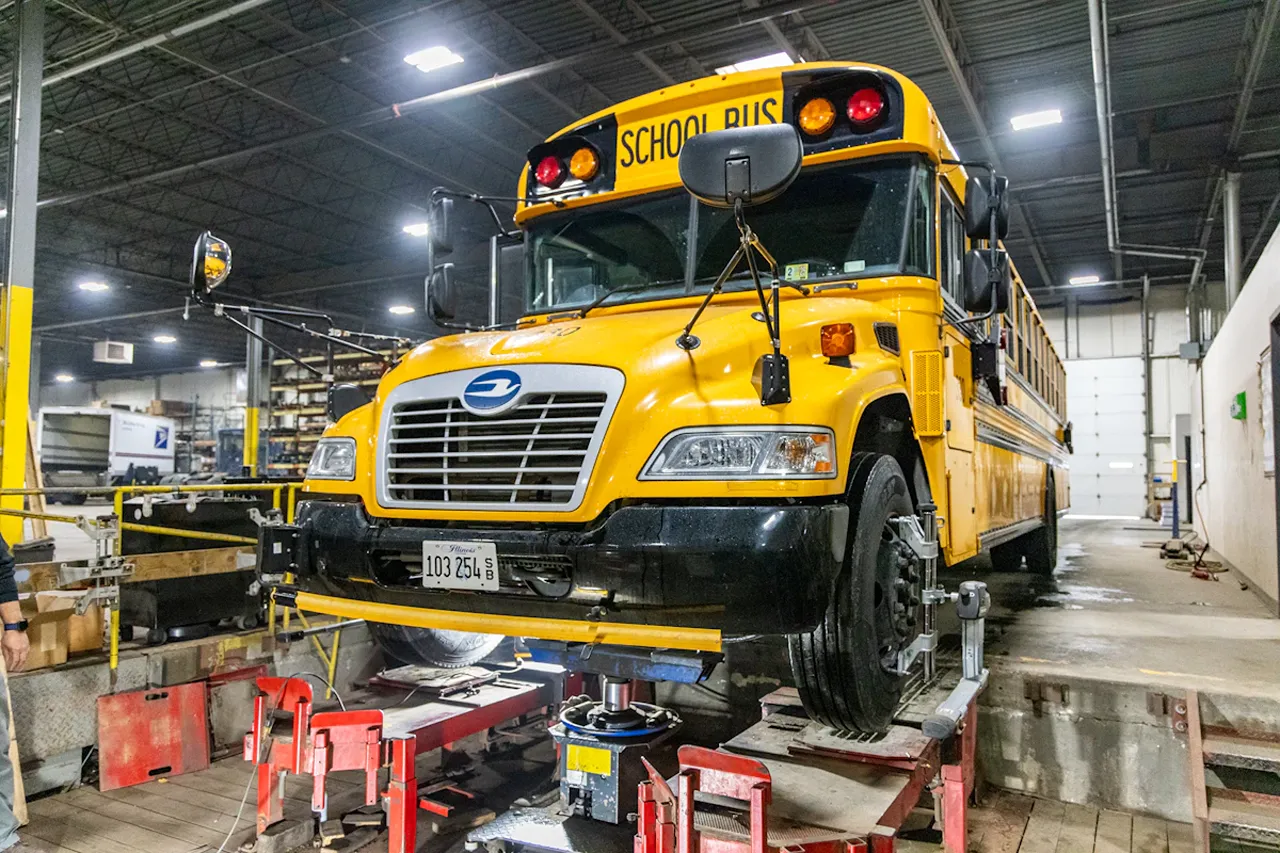
A transit bus moving along Chicago's Ashland Avenue might stop dozens of times during a single shift, putting its brakes and suspension through constant work. Along busy corridors like Ashland and Western, repeated braking, changing passenger loads, and uneven pavement accelerate mechanical wear. For fleet operators, proactive bus fleet repair helps prevent unexpected breakdowns, protect passengers, and keep buses running reliably.
Why Do Frequent Stops Increase Transit Bus Brake Wear?
Every time a transit bus approaches an intersection or passenger stop, its braking system must slow a heavy vehicle carrying a variable load. Unlike highway buses that travel long distances between stops, urban transit vehicles repeatedly accelerate and decelerate throughout their operating shifts.
Chicago Transit Authority (CTA) routes such as #9 Ashland and #49 Western illustrate these demanding operating conditions. The CTA's Frequent Network initiative aims to provide frequent service across 24 routes by the end of 2026, highlighting the importance of dependable vehicles on busy urban corridors.
How Does Stop-and-Go Driving Affect Brake Components?
Repeated braking generates heat and gradually wears friction components. Depending on the bus's braking configuration, technicians must inspect brake pads, rotors, shoes, drums, and associated hardware.
Common warning signs include:
- Uneven brake wear: Differences in friction material thickness can indicate dragging brakes, hardware problems, or other mechanical faults.
- Reduced braking performance: Changes in stopping response may point to worn components or an air system malfunction.
- Grinding or squealing: Unusual noises can signal friction material deterioration or damaged hardware.
- Excessive brake heat: Overheating may result from dragging brakes, inadequate adjustment, or repeated heavy braking.
- Brake warning indicators: Dashboard alerts can identify faults requiring professional diagnosis.
For fleets needing transit bus brake repair, regular inspections help detect problems before they interrupt passenger service.
Technicians should measure component wear against manufacturer specifications rather than relying on mileage alone. Urban operating conditions can make mileage a poor indicator of actual brake usage.
What Air Brake Problems Affect Urban Transit Buses?
Many heavy-duty transit buses use compressed air to operate their service brakes. Their braking systems depend on properly functioning compressors, air dryers, reservoirs, valves, hoses, and brake chambers.
A leak or pressure-control problem can compromise braking reliability, even when the friction components remain in acceptable condition.
What Causes Air Brake System Failures?
Common problems requiring air brake repair in Chicago include:
- Air line leaks: Damaged fittings, hoses, and connections can cause pressure loss.
- Defective air dryers: Poor moisture removal allows water to accumulate within the compressed-air system.
- Faulty valves: Malfunctioning relay, protection, or other control valves can interfere with normal braking operation.
- Damaged brake chambers: Diaphragm or chamber defects can prevent proper brake application.
- Compressor problems: Inadequate air delivery can affect pressure recovery and system readiness.
For buses operating multiple shifts, even a relatively small leak deserves attention. Repeated compressor cycling and declining air pressure can indicate a developing defect.
Drivers should report low-air-pressure warnings, unusual compressor cycling, or abnormal brake response immediately. Maintenance teams should remove vehicles with safety-critical brake defects from service until qualified technicians complete the necessary repairs and checks.
Why Is Air Suspension Repair Important for Transit Buses?
Air suspension systems help maintain ride height, support changing passenger loads, and absorb road impacts. They are especially important for low-floor urban buses that must accommodate frequent boarding and passengers with mobility needs.
A properly functioning system adjusts to load changes while maintaining the vehicle's intended operating height.
How Do Air Bags and Leveling Valves Affect Bus Performance?
Air springs, commonly called air bags, support the vehicle using compressed air. Height-control or leveling valves regulate air delivery to maintain the correct position as passengers board and exit.
For example, buses operating along Chicago's #53 Pulaski corridor may experience frequent changes in passenger load. Proper suspension leveling helps these vehicles maintain consistent handling and boarding conditions.
Some accessible buses also use kneeling functions to lower the entrance during passenger boarding. A suspension control problem can interfere with these functions and reduce accessibility.
Common signs that bus air suspension repair may be necessary include:
- A bus sitting lower on one side
- Visible cracks or deterioration in air springs
- Persistent air leaks around suspension components
- Excessive compressor operation
- Incorrect ride height or inconsistent leveling
- Unreliable kneeling or return-to-ride-height operation
Professional commercial bus suspension repair involves checking air springs, valves, lines, mounting hardware, and electronic controls where equipped.
Technicians must follow manufacturer procedures for supporting the vehicle and disabling suspension movement before working underneath it. Unexpected air suspension movement creates a serious safety hazard.
How Do Worn Shock Absorbers, Bushings, and Steering Components Affect Handling?
Air springs support vehicle weight, but shock absorbers control excessive suspension movement. Without adequate damping, a bus can bounce excessively after hitting a pothole or crossing uneven pavement.
Worn suspension bushings create additional problems by allowing unwanted movement between connected components. This can contribute to vibration, abnormal tire wear, and less predictable handling.
Which Suspension Warning Signs Require Attention?
Fleet maintenance teams should investigate these symptoms:
- Excessive bouncing after road impacts
- Clunking or rattling from suspension connections
- Uneven or accelerated tire wear
- Steering looseness or directional instability
- Damaged shock mounts or leaking shock absorbers
Steering linkages, axle connections, and wheel alignment also deserve attention during heavy-duty bus suspension inspection.
Because these systems work together, replacing a worn shock absorber without examining associated bushings and mounting hardware may leave the underlying problem unresolved.
How Do Chicago Road Conditions Affect Bus Maintenance?
Chicago's extensive network of intersections, traffic signals, and passenger stops creates constant demands on heavy-duty vehicle components. Potholes, pavement joints, and uneven road surfaces add repeated impacts that suspension systems must absorb.
A bus traveling through a damaged section of pavement can experience substantial suspension movement, particularly when carrying a full passenger load.
These conditions make urban transit bus maintenance particularly important for both public-style fixed-route vehicles and private shuttle fleets.
Fleet managers should track recurring defects by vehicle rather than assuming every bus experiences identical wear. Maintenance records can reveal vehicles requiring additional inspections, alignment work, or component replacement.
This approach helps operators schedule repairs before minor defects turn into extended downtime.
What Brake and Suspension Checks Should Chicago Fleets Prioritize Before Winter?
October is an important maintenance planning period for Chicago bus operators. According to the National Weather Service, the normal first autumn freeze at O'Hare occurs around October 19, based on 1991–2020 climate normals.
Freezing conditions can make existing air-system moisture and leakage problems more troublesome. Wet pavement and reduced traction also increase the importance of dependable braking and handling.
October Preventive Maintenance Checklist
Before winter operations intensify, maintenance teams should:
- Inspect brake friction components and hardware for wear or damage.
- Check air pressure buildup, leakage, and warning-system operation.
- Verify air dryer performance and inspect for moisture contamination.
- Examine suspension air bags, hoses, and leveling valves.
- Check shock absorbers, bushings, and suspension mounts.
- Inspect steering connections, axle components, and tire wear.
- Confirm ride height and kneeling-system operation where equipped.
A structured bus preventive maintenance program should follow vehicle manufacturer procedures and applicable inspection requirements.
Federal 49 CFR Part 393 establishes equipment standards for covered commercial vehicles, while 49 CFR 396.3 requires systematic inspection, repair, and maintenance for carriers within its scope. Illinois requirements may also apply, depending on the vehicle and operation.
Public transit agencies and private passenger carriers can have different regulatory obligations. Fleet managers should confirm which standards apply rather than treating every transit-style bus as an interstate commercial carrier.
Keep Chicago Bus Fleets Safe and Ready for Service
Reliable transit service depends on more than keeping engines running. Brake components, compressed-air systems, suspension controls, and steering connections all play important roles in passenger safety, ride comfort, and vehicle availability.
For professional commercial bus fleet service, Bus & Truck of Chicago provides bus repair, preventive maintenance, and related fleet services for commercial operators throughout the Chicago area.
Contact our team at Bus & Truck of Chicago at (773) 523-6003 to discuss brake or suspension concerns, schedule a fleet inspection, or plan maintenance around your operating requirements.
FAQs
How often should urban transit bus brakes be inspected?
Transit bus brakes should be checked during required pre-operation inspections and scheduled preventive maintenance. Inspection intervals depend on manufacturer recommendations, operating conditions, applicable regulations, and the fleet's maintenance program.
What are the most common air brake problems in transit buses?
Common problems include leaking air lines, malfunctioning valves, defective air dryers, damaged brake chambers, and compressor faults. These issues can cause pressure loss or inconsistent braking performance and require qualified diagnosis.
Why does a transit bus lean to one side?
A leaning bus may have a leaking air spring, malfunctioning height-control valve, damaged suspension component, or uneven loading. Technicians should inspect the suspension and confirm proper ride height before returning the vehicle to normal service.
Can Chicago potholes damage bus suspension systems?
Yes. Repeated impacts from potholes and uneven pavement can contribute to wear or damage involving shock absorbers, bushings, mounting hardware, and suspension connections. Regular inspections help identify developing problems.
Why is preventive maintenance important for commercial bus fleets?
Preventive maintenance helps identify brake, air system, suspension, and steering defects before they cause breakdowns. It supports passenger safety, predictable repair scheduling, and improved vehicle availability.
Similar posts
Use October Bus Maintenance to Catch Cold-Weather Problems Before the First Snow
Chicago bus fleets do not have to wait for snow to uncover winter problems. October maintenance can expose weak batteries, poor defrost, air leaks, door faults, worn brakes, and visibility issues before freezing mornings turn them into missed routes.

Common Bus Repair Issues That Can Take Your Fleet Out of Service
Bus fleets face tough conditions such as stops, loads, traffic, and weather, which stress systems. Missed repairs cause downtime, disrupting routes, schedules, drivers, and passengers. Signs include low air pressure, high temperatures, regeneration needs, weak batteries, or uneven tires—all indicating bigger issues.